Explaining The Creepy Clown Craze That's Sweeping The World
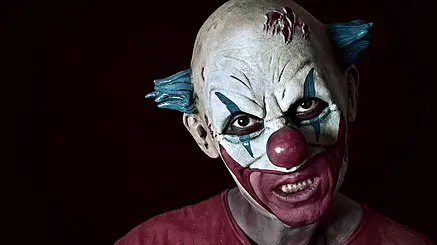
We are currently caught in the chaotic cacophony of a clown craze conquering the media.
Starting in America this clown crisis has proved contagious, spreading to the UK and Ireland.
Gardai are cautioning civilians on a confluence of clown-centred criminality.
Where did it come from?
The so-called ‘creepy clown crisis’ commenced in America in late August.
Children in South Carolina, reported sightings of a clown that would whisper to them, attempting to lure them into the woods
The South Carolinians responded with the only reasonable course of action; they fired their considerable collections of guns blindly into the woods.
This show of strength, though it doubtlessly killed many woodland creatures , did nothing to deter copy-cat clowns
In the following months clown sightings increased exponentially, as did the hysteria surrounding them.
Sightings occurred all across the US, with clowns chasing people and menacing them with weapons .
The police were inundated with calls from concerned citizens reporting clown activity and asking if it was ok to shoot the clowns (the answer: only sometimes).
Clowns arrive in Ireland
Before long the creepy clowns circumnavigated the globe and arrived in the UK and Ireland.
This week marauding clowns caused chaos in a Dublin school when they entered the grounds of a school in Blackrock brandishing chainsaws (the clowns later claimed that they were merely trying to promote 'The Nightmare Realm' event in the city. Meanwhile, The Mirror reported on an incident in which an axe wielding clown attempted to enter a woman’s home terrifying her child.
These incidents have stirred up anti-clown rhetoric, with cries of 'Make Ireland Grey Again' being leveled at the multi-coloured jesters.
Could it be that the creepy clowns are attempting to create division? Are the real victims of the creepy clown craze, clowns themselves?
It’s not hard to see that the media has a definite anti-clown bias, and a cursory glance at pop-culture shows us that there is institutionalised coulrophobia.
In Ireland we have a long and proud history of clowns integrating into our society, mainly in local authority and government.
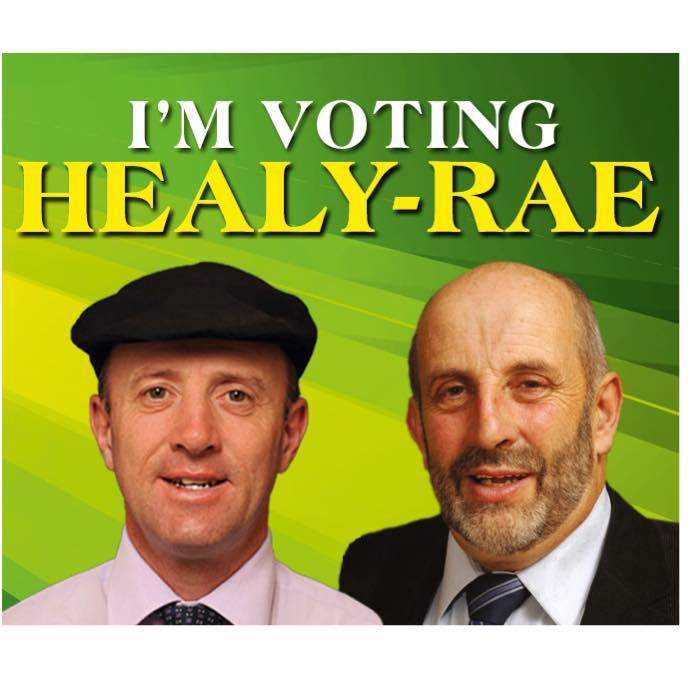
The World Clown Association expressed their shock and dismayed at how the creepy clowns are ruining their reputation.
They stressed the that the individuals causing this crisis are not actually clowns but merely people dressed as clowns.
The key difference being that one group paints their face white, wears garish colours, capers about and generally makes everyone vaguely uncomfortable.
The other are the creepy clown imposters.
The craze has even affected prominent clowning figures that are well known outside of their community.
McDonald’s mascot Ronald McDonald has announced that he’s going to limit his public appearances in light of the creepy clown chaos.
Are we to let the actions of a few mean spirited harlequins drive a wedge between us and our baggy-trousered brethren?
#NotAllClowns
We here at The College Times can sit by idly no more. We have created a hashtag #NotAllClowns.
Whenever you see any criticism levelled at clowns online, we want you to spring into action and deploy the hashtag.
Don't worry about the actual context of the criticism or how warranted it is, just be sure to let everybody know that #NotAllClowns are creepy.
Well, they are, but not in the way that makes the news.