Every Irish Person Should Listen To This Podcast About The Mother And Baby Home In Tuam
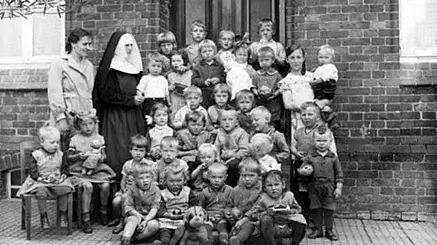
One of Ireland's darkest moments in history was the discovery of 796 children and babies buried in a channel of septic tanks at the Tuam Mother and Baby Home that had been buried there between 1925 to 1961.
An important podcast, entitled The Home Babies, by BBC Radio 4 delves into the history of the Tuam septic tank and the Catholic guilt that gripped the nation at the time. It charts the time when clericalism was at its most powerful and prodigious in Irish society, with members of the clergy able to exercise influence over Irish people beyond common sense and, in some cases, law.
Each episode is around the fifteen-minute mark and includes interviews with Catherine Corless, the person who demanded answers about the Mother and Baby home, Children's Minister Katherine Zappone and a survivor of the homes.
Mother and Baby homes acted as a cloak over Irish women who fell pregnant out of wedlock and were open until the 1990s. Pregnant unwed Irish women were normally disowned by their families and sent to live with the Bon Secour Sisters. Separated from their mother by these institutions, many children were either put up for adoption or died of malnourishment and poverty within the home.
Thanks to Catherine Corless's research, the lid on Ireland's shameful past has been lifted and the Catholic Church and its leaders are being pressured to answer for their crimes. Pope Francis' visit last weekend was controversially met by the people of Ireland and thousands took to the streets of Dublin and Tuam to demand answers for the lost children of Tuam and for the victims of clerical sex abuse.
The Children's Minister, Katherine Zappone, has already suggested the Vatican pay for an entire excavation of the Tuam site in order for families to trace whether or not their loved ones are buried in unmarked graves.
Outside of the podcast, it has been questioned whether or not a number of women were transferred to Magdalene laundries after leaving the mother and baby home. In 1933 state policy declared that unmarried mothers who had given birth a second time would be transferred to a Magdalene Laundry.
Magdalene Laundries were used to house 'fallen women' during the 19th and 20th centuries. The women worked to live on the premises by washing wealthy families clothes.